
Excessive Tearing
Abnormal eyelid position can prevent tears from entering the normal drainage system, causing them to spill onto the cheek.
Aesthetic Eye & Surgical Arts
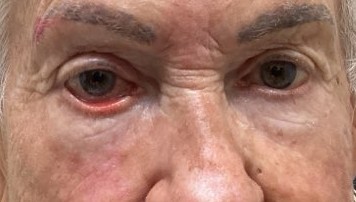
When the eyelid turns outward and no longer rests normally against the eye.
Ectropion occurs when the eyelid turns outward or pulls away from the eye. This can interfere with normal eye protection and tear drainage, causing tearing, irritation, redness, dryness, or exposure of the ocular surface.
Understanding Ectropion
The lower eyelid normally rests against the surface of the eye and helps distribute tears, protect the ocular surface, and direct tears toward the normal drainage system.
When the eyelid turns outward, these functions may be disrupted. The exposed inner eyelid can become irritated, and the eye itself may become dry or uncomfortable.
Patients with ectropion frequently experience excessive tearing because tears are no longer properly directed toward the drainage openings.
Signs & Symptoms
Abnormal eyelid position can prevent tears from entering the normal drainage system, causing them to spill onto the cheek.
Poor eyelid contact can interfere with normal tear distribution and leave portions of the eye exposed.
The inner surface of the eyelid may become visible, irritated, or inflamed when the eyelid pulls away from the eye.
More significant ectropion can interfere with normal eyelid closure and protection of the ocular surface.
Causes
Ectropion commonly develops as the tissues supporting the lower eyelid loosen with age.
Other causes can include facial nerve weakness, scarring, previous surgery, trauma, skin changes, or other conditions that alter the position or support of the lower eyelid.
Treatment
Ectropion is not a single anatomical problem, so the appropriate repair depends upon why the eyelid has moved away from the eye.
Surgery may involve restoring eyelid tension and position, correcting abnormal tissue forces, addressing scarring or tissue shortage, or combining techniques when more than one factor is present.
The goal is to restore a stable eyelid position against the eye while improving comfort, tear function, eyelid closure, and protection of the ocular surface.
Tearing & Ectropion
Tears normally travel across the eye toward small drainage openings near the inner corner of the eyelids.
When the lower eyelid turns outward, the drainage opening may no longer remain properly positioned against the eye. Tears can then accumulate and spill over the eyelid instead of entering the normal drainage system.
Excessive tearing does not always mean the eye is producing too many tears. Sometimes the problem is that the tears cannot drain normally.
Eye Protection
Restoring more normal eyelid contact can improve tear distribution and, when abnormal eyelid position is contributing to the problem, reduce irritation and excessive tearing.
Correcting significant eyelid malposition can help reduce exposure and improve protection of the cornea and surrounding ocular surface.
Ectropion repair is generally performed to restore eyelid function and protect the eye rather than for cosmetic purposes. Insurance coverage depends on the patient's condition, medical necessity, and individual insurance plan.
Specialized Training
Oculofacial plastic surgery combines ophthalmology training with specialized fellowship training focused on the eyelids and surrounding structures.
Evaluation of ectropion considers not only the appearance of the eyelid but also eyelid closure, tear drainage, ocular-surface health, facial nerve function, and the mechanical forces affecting eyelid position.
Preparation & Recovery
Swelling, bruising, and temporary eyelid tightness can occur during the early healing period and gradually improve.
Postoperative ointment and eye-care instructions are provided as appropriate. Follow-up examinations allow healing, eyelid position, and the ocular surface to be monitored.
Recovery varies according to the type of repair performed and the individual patient.
View Preparation & Recovery Guide →Our Approach
Frequently Asked Questions
Ectropion is an outward turning or pulling away of the eyelid from the eye. It most commonly affects the lower eyelid.
The outward position can move the normal tear-drainage opening away from the eye, preventing tears from draining properly.
Yes. An eye can tear excessively while portions of the ocular surface are inadequately protected or lubricated.
Common causes include age-related eyelid laxity, facial nerve weakness, scarring, previous surgery, trauma, and other changes affecting lower-eyelid support.
No. Treatment depends on the cause, severity, symptoms, and effect on the eye. Surgery may be recommended when correction of the eyelid position is necessary.
Ectropion repair may be considered medically necessary when appropriate clinical criteria are met. Coverage and documentation requirements vary by insurance plan.
If abnormal eyelid position is contributing to poor tear drainage, correcting the eyelid may improve tearing. Other causes of tearing can coexist, so the underlying cause should be evaluated.
Swelling and bruising are expected early and generally improve with time. Recovery varies according to the repair performed and the individual patient.
Recurrence is possible because eyelid tissues continue to change over time. Risk depends on the underlying cause, anatomy, and type of repair.
Aesthetic Eye & Surgical Arts
Tearing, irritation, dryness, or an eyelid that no longer rests against the eye may be caused by ectropion. A careful examination can determine the underlying cause and whether treatment is appropriate.