
Fat prominence
Prominent lower eyelid fat may be reduced or repositioned according to the individual anatomy.
Aesthetic Eye & Surgical Arts
A more rested, refreshed appearance while preserving the natural character of your eyes.
Lower eyelid surgery can improve under-eye bags, puffiness, and other changes that create a tired or aged appearance.
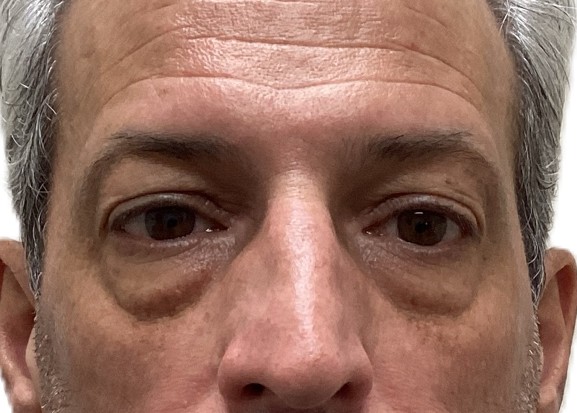
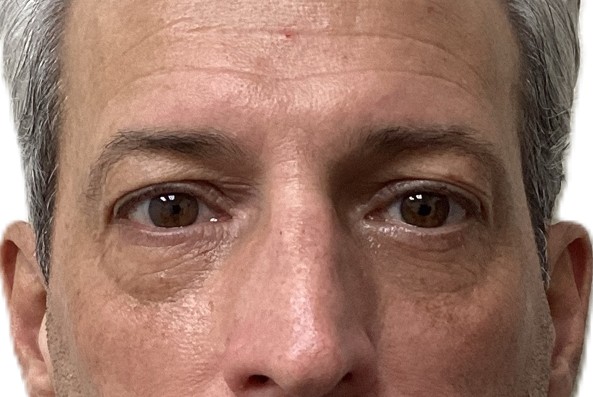
Understanding Lower Eyelid Aging
Changes in the lower eyelids occur gradually and differ considerably from one person to another.
Prominent fat pads can create under-eye bags or fullness. Skin may become thinner or looser, and changes in the transition between the lower eyelid and cheek can contribute to shadows and a tired appearance.
Successful lower eyelid surgery begins by identifying which anatomical changes are actually responsible for the patient's concerns.
Personalized Treatment
Treatment is individualized based on the lower eyelid anatomy, skin quality, fat distribution, eyelid position, facial structure, and the patient's goals.
Prominent lower eyelid fat may be reduced or repositioned according to the individual anatomy.
Selected excess or loose lower eyelid skin may be addressed while respecting the support and position of the eyelid.
Planning may include the contour between the lower eyelid and cheek when this contributes to shadows or an abrupt transition.
Lower eyelid position and support are evaluated carefully and addressed when appropriate.
The objective is improvement that looks natural and balanced, rather than creating an operated or overly tightened appearance.
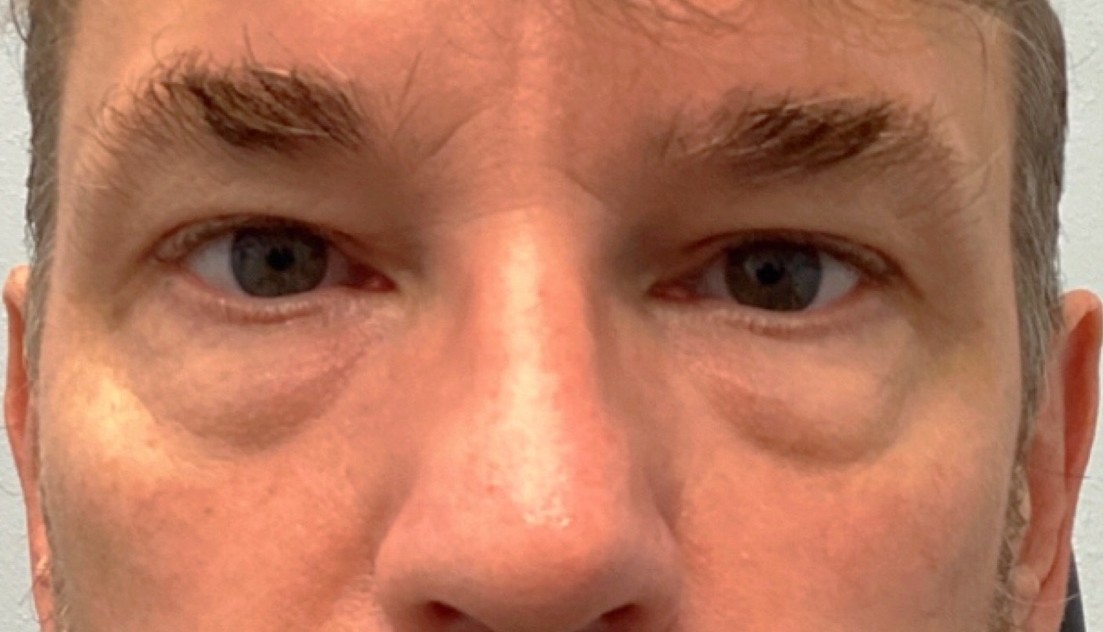
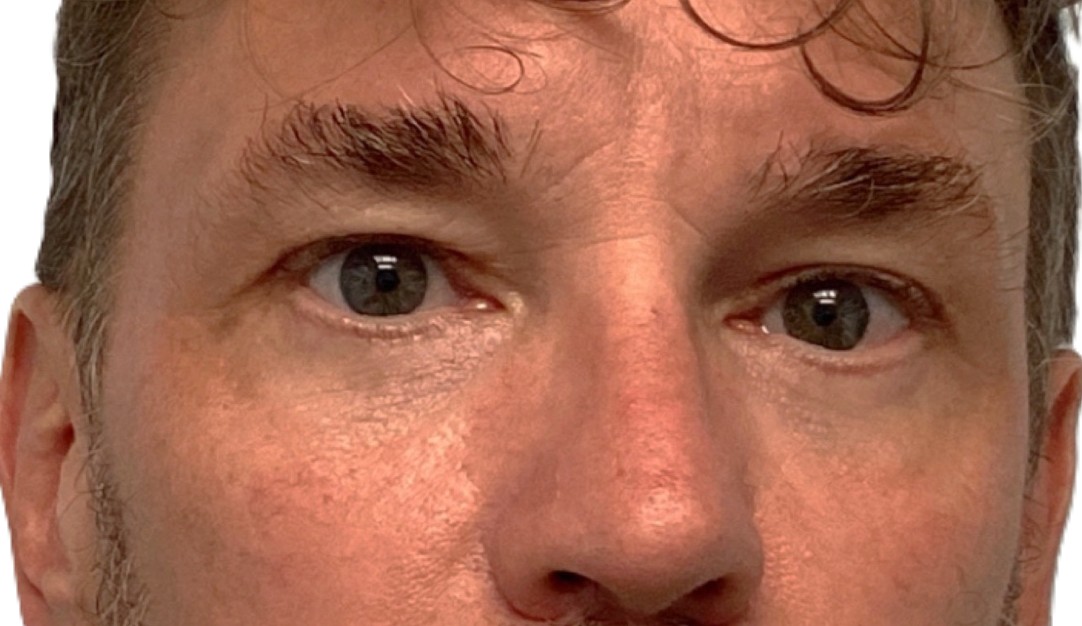
Patient Results
Selected examples of eyelid surgery. Individual results vary.
Surgical Approach
Lower eyelid surgery requires careful attention not only to appearance, but also to eyelid position and function.
As an oculofacial plastic surgeon, Dr. Brannan evaluates the eyelids, eye surface, surrounding facial anatomy, and lower eyelid support when planning surgery.
The surgical approach is selected for the individual patient rather than applying the same technique to everyone.
Upper + Lower Eyelid Surgery
Yes. Patients concerned about both upper eyelid heaviness and lower eyelid bags may choose to address both areas during the same surgery.
For appropriate patients, combined surgery can create a more balanced rejuvenation of the eyes while maintaining the patient's natural appearance.
Learn About Upper & Lower Blepharoplasty →Our Approach
Preparation & Recovery
Bruising and swelling are expected during the early healing period and gradually improve. Recovery varies depending upon the procedure performed and the individual patient.
Detailed postoperative instructions are provided to guide healing and recovery.
View Preparation & Recovery Guide →Frequently Asked Questions
Candidacy depends on your lower eyelid anatomy, eye health, skin quality, eyelid support, medical history, and goals. A consultation determines whether lower blepharoplasty or another treatment is appropriate.
Under-eye bags may result from prominent lower eyelid fat, changes in skin and supporting tissues, the contour between the eyelid and cheek, or a combination of factors.
Lower blepharoplasty can reduce or reposition prominent fat and address selected skin and contour changes. The specific plan depends on the cause of the bags and the patient's anatomy.
The goal is a more rested and refreshed appearance that remains natural to your face, rather than changing the character of your eyes.
Incision location depends on the surgical approach selected for the individual patient. This is discussed during consultation after the eyelids and surrounding anatomy are evaluated.
Bruising and swelling are expected early and improve gradually. Recovery varies by patient and by the procedures performed.
The appropriate timing varies with the extent of surgery, healing, swelling, bruising, and the nature of your work. Personalized guidance is provided after surgery.
Yes. For appropriate patients, upper and lower eyelid surgery may be performed together to address concerns in both areas during the same surgical session.
Lower blepharoplasty is most commonly performed for cosmetic reasons and cosmetic surgery is not covered by insurance. Coverage questions are reviewed based on the individual situation and insurance plan.
Aesthetic Eye & Surgical Arts
A consultation begins with understanding what concerns you and determining which aspects of your lower eyelid anatomy are contributing to the appearance. From there, treatment can be tailored to your individual anatomy and goals.