
True Ptosis
The upper eyelid margin itself sits too low because the structures responsible for lifting the eyelid are not functioning normally.
Aesthetic Eye & Surgical Arts
When the upper eyelid itself sits too low.
Ptosis is different from excess eyelid skin. Accurate diagnosis helps determine whether the concern is caused by eyelid position, excess skin, brow position, or a combination.
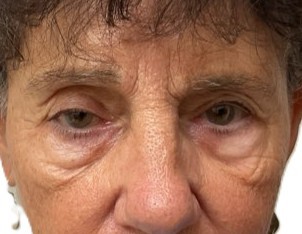
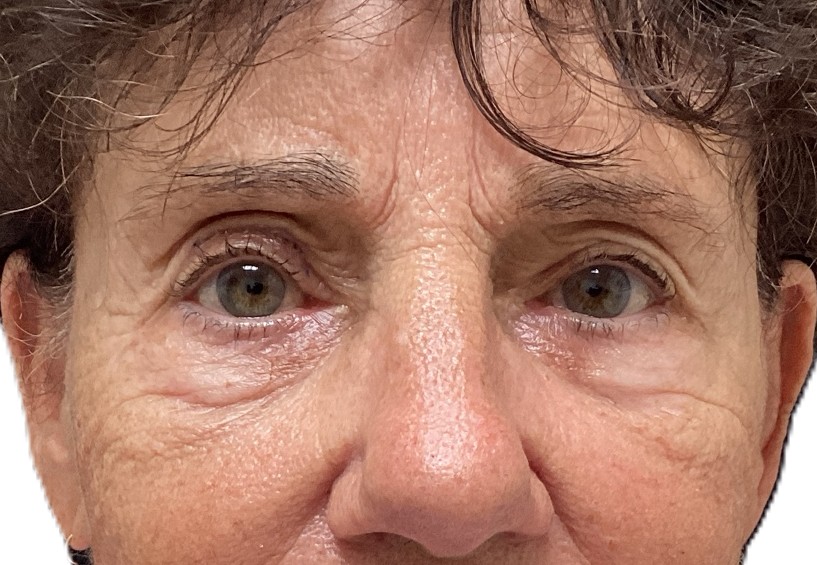
Understanding Ptosis
Ptosis occurs when the upper eyelid margin rests lower than it should. It may affect one eye or both eyes and can influence appearance, symmetry, and, in some patients, the superior field of vision.
Excess upper eyelid skin—often called dermatochalasis—can create a similar heavy appearance, but it is a different anatomical problem. Brow position may also contribute.
Because these conditions can occur separately or together, the diagnosis should come before the procedure.
Diagnosis Matters
The upper eyelid margin itself sits too low because the structures responsible for lifting the eyelid are not functioning normally.
Redundant upper eyelid skin can fold over the eyelid and create heaviness without the eyelid margin itself being abnormally low.
A lower brow position can contribute to upper eyelid fullness and may need to be considered separately from the eyelid.
Many patients have more than one contributing factor, so treatment may need to address more than a single anatomical issue.
Evaluation
Evaluation may include measurement of eyelid height and symmetry, assessment of eyelid muscle function, brow position, eye surface health, photographs, and other testing when appropriate.
The objective is to determine the true cause of the drooping appearance and whether treatment is cosmetic, functional, or a combination.
Treatment
Ptosis repair is designed to improve the height and contour of the upper eyelid while preserving normal eyelid function and eye protection.
The specific surgical technique is selected according to the degree of ptosis, levator function, symmetry, eye health, and the patient's individual anatomy.
The goal is improvement that looks natural and functions well—not simply to raise the eyelid as high as possible.
Cosmetic & Functional Considerations
When ptosis significantly interferes with vision and medical criteria are met, treatment may be considered functional. Documentation requirements and coverage vary by insurance plan.
Some patients seek treatment primarily for eyelid asymmetry or appearance. Cosmetic procedures are generally self-pay and are not covered by insurance.
When cosmetic blepharoplasty and functional ptosis concerns coexist, the available treatment options and financial responsibilities can be reviewed during consultation.
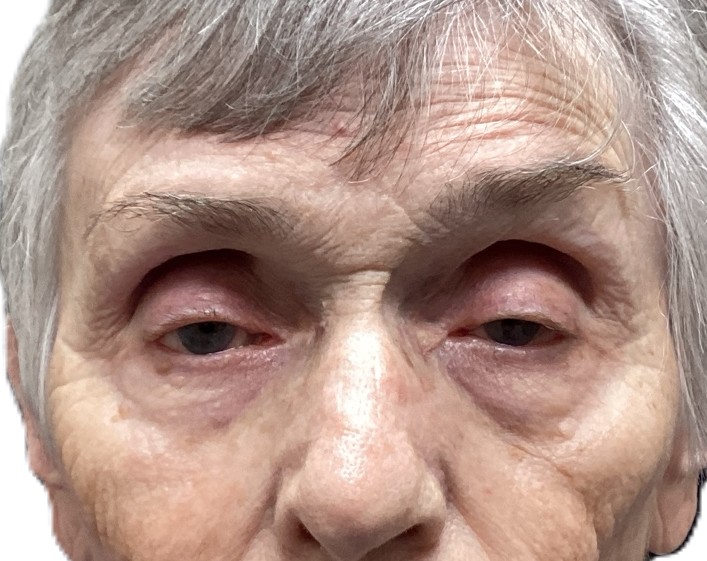
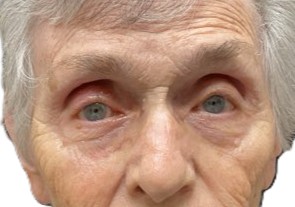
Patient Results
Selected examples of functional eyelid surgery. Individual results vary.
Specialized Training
Oculofacial plastic surgery combines ophthalmology training with specialized fellowship training focused on the eyelids and surrounding structures.
That perspective is particularly relevant in ptosis surgery, where eyelid height, symmetry, movement, eye protection, and appearance all need to be considered together.
Why Specialized Training Matters →Preparation & Recovery
Swelling and bruising are expected during the early healing period and gradually improve. Eyelid height and symmetry may also continue to change as swelling resolves.
Detailed postoperative instructions are provided, and follow-up visits are used to monitor healing and eyelid function.
View Preparation & Recovery Guide →Our Approach
Frequently Asked Questions
Ptosis is an abnormally low position of the upper eyelid margin. It is different from excess upper eyelid skin, although both conditions may occur together.
Dermatochalasis refers to excess eyelid skin. Ptosis refers to a low eyelid margin. Because they involve different structures, they require different treatment approaches.
Yes. In some patients, a sufficiently low upper eyelid can interfere with the superior field of vision or daily visual activities.
Coverage depends on the insurance plan and whether documented medical-necessity criteria are met. Requirements may include examination findings, photographs, visual field testing, and other documentation.
They may be performed during the same surgical session when both conditions are present, but cosmetic and insurance-covered portions are handled separately. The specific options are reviewed during consultation.
The goal is improved eyelid position and symmetry, but natural eyelids are not perfectly identical. Pre-existing differences in anatomy and healing can influence the final result.
Bruising and swelling are expected early and improve gradually. Recovery varies by patient and by the procedures performed.
Eyelid position can change over time as tissues age or underlying conditions evolve. Your individual risk and expectations are discussed during evaluation.
Aesthetic Eye & Surgical Arts
The first step is determining whether the concern is caused by true ptosis, excess eyelid skin, brow position, or a combination. Treatment can then be tailored to your anatomy, visual needs, and goals.