

Are Styes Contagious? What to Do if You Have One
At Aesthetic Eye & Surgical Arts in Sarasota, Dr. Paul Brannon, M.D., addresses common concerns about stye contagion and provides guidance on preventing the spread of infection. Styes are often caused by bacterial infections, and while they aren’t highly contagious, it’s important to practice proper hygiene to avoid infecting others. Dr. Brannon offers expert advice and treatment to help patients manage styes effectively. For more information, contact us today or schedule an appointment online. We are conveniently located at 5310 Clark Rd, Suite 106, Sarasota, FL 34233.
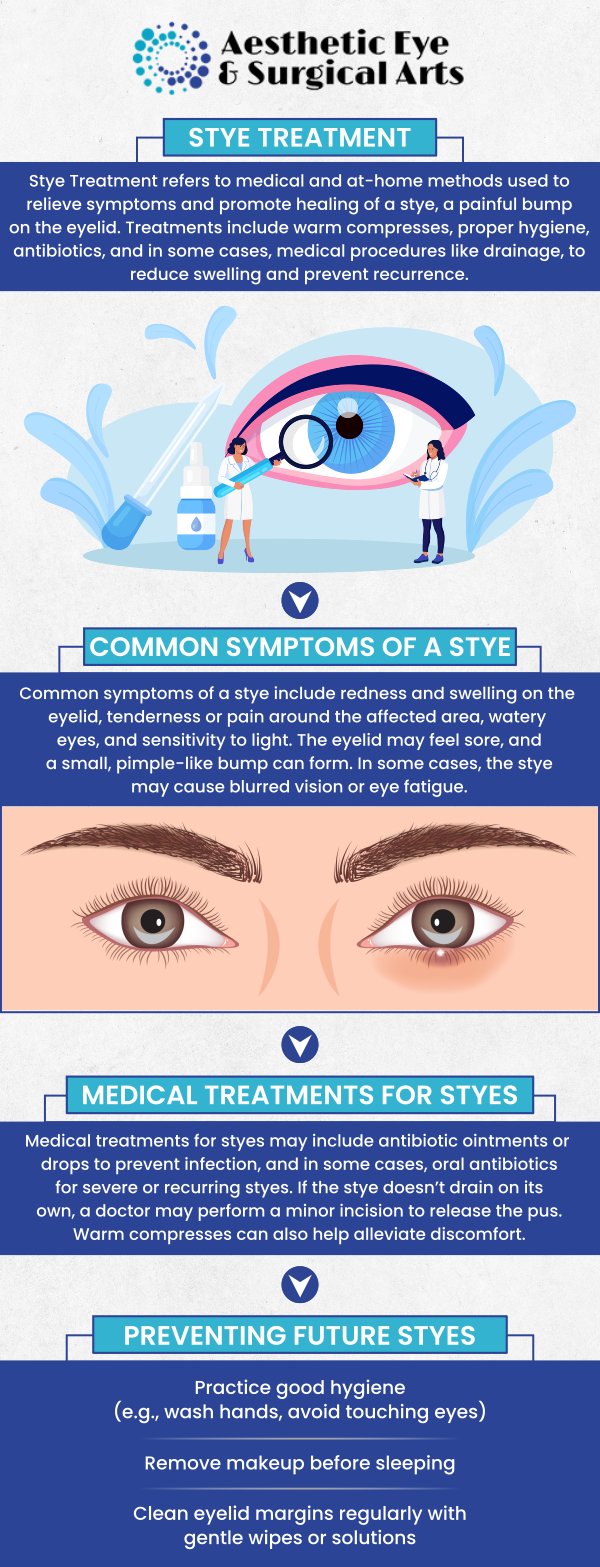
Table of Contents:
How can I prevent spreading a stye to others?
Can I wear makeup if I have a stye?
Is it safe to use contact lenses with a stye?
Can I get a stye from sharing a towel?
Dr. Paul Brannon’s Advice on Preventing the Spread of Styes and Protecting Your Eye Health
A stye itself isn’t highly contagious in the way a cold or flu is, but the bacteria that contribute to its development can be transferred through shared items or poor hygiene. At Aesthetic Eye & Surgical Arts, Dr. Paul Brannan and his team emphasize that styes most often arise from bacteria on your own skin entering clogged oil glands — so direct person‑ to‑ person transmission isn’t common. However, if bacteria from your affected eyelid are transferred to another person’s hands, towels, pillowcases, or makeup tools, that could theoretically introduce those bacteria to someone else’s eyelids and contribute to irritation or infection under the right conditions. Because of this, good hygiene is key. Avoid sharing towels, washcloths, pillowcases, or cosmetics while the stye is present, and wash your hands frequently before and after touching your face or eyes. Keeping linens, makeup brushes, and washcloths clean and avoiding touching your eyelids unnecessarily reduces the chance that bacteria move from your eyelid to other surfaces or people. These steps, along with proper care and warm compresses, help contain bacteria and support healing.
Wearing makeup when you have a stye is not recommended—and this is something Dr. Paul Brannan at Aesthetic Eye & Surgical Arts would advise against. Makeup applied near the eyelid can trap bacteria and oil, clogging eyelid glands further and slowing the natural healing process. Cosmetic products like mascara, eyeshadow, and eyeliner can also harbor bacteria, and if you apply them over or near a stye, you risk introducing more microbes into an already inflamed area, which could prolong irritation or even cause recurrent infections. In general guidance, clinicians recommend keeping the affected area clean, avoiding eye cosmetics completely until the stye has fully healed, and replacing or discarding any eye makeup that was used immediately before or during the time the stye developed. This helps prevent recontamination once the stye resolves. Warm compresses, gentle eyelid cleansing, and keeping the eye area bare support faster healing and reduce the likelihood of bacteria spreading back onto sensitive eyelid tissue.
Using contact lenses while you have a stye is generally discouraged. At Aesthetic Eye & Surgical Arts, Dr. Paul Brannan’s team would typically recommend switching to glasses for the duration of the infection. Contact lenses sit directly on the eye’s surface and can trap bacteria close to the irritated eyelid or cornea, potentially worsening irritation or delaying healing. The swelling and tenderness associated with a stye also make lenses more uncomfortable to wear, and repeated handling during insertion and removal increases the risk of transferring bacteria from your hands into your eyes. Clinical guidance advises waiting until all symptoms—including redness, swelling, and tenderness—have completely resolved before returning to contact lens use. If you do wear lenses while healing, they could trap bacteria near the eye or become contaminated, meaning you might inadvertently reintroduce microbes back into the environment that caused the stye in the first place. For safety, many eye care providers suggest temporarily wearing glasses until the stye is fully gone, and then starting with a fresh pair of contact lenses rather than ones worn during the infection.
Yes—sharing a towel or similar personal item can contribute to the spread of bacteria that play a role in stye formation, although the stye itself doesn’t “jump” from one person to another like a cold virus. Styes develop when bacteria on the skin, most often Staphylococcus species, enter a blocked oil gland or hair follicle on the eyelid and cause a localized infection. If your towel, washcloth, or pillowcase has come into contact with bacteria from your infected eyelid, and someone else uses it soon after, they could inadvertently transfer those bacteria to their own eyelids. While healthy eyelids normally defend against infection, this transfer could increase the risk of irritation or, under certain conditions, lead to a new stye forming. To minimize this risk and support healing, Dr. Paul Brannan and his team at Aesthetic Eye & Surgical Arts recommend avoiding sharing towels, washcloths, pillowcases, or makeup tools while a stye is present. Regularly washing bed linens and towels in hot water and practicing good hand hygiene further reduces the chances that bacteria linger on surfaces or transfer between people.
Although styes are not highly contagious, the bacteria that cause them can spread through touch or contaminated objects. Dr. Brannon, M.D., advises patients to follow good hygiene practices, such as washing hands frequently and avoiding sharing towels or cosmetics, to prevent spreading the infection. Early treatment and proper care can help manage styes and reduce the risk of recurrence. At Aesthetic Eye & Surgical Arts, Dr. Brannon is committed to providing solutions that help protect both individual and public eye health. For more information, contact us today or schedule an appointment online. We are conveniently located at 5310 Clark Rd, Suite 106, Sarasota, FL 34233. We serve clients from Sarasota, FL, Osprey FL, Fruitville FL, Vamo FL, Venice FL, Lakewood Ranch FL, Bradenton FL, and surrounding areas.


Additional Services You May Need
▸ Styes
▸ Laser
▸ Botox
▸ Facials
▸ Dry Eyes
▸ Brow Lift
▸ Juvéderm®
▸ Cosmetic Offerings
▸ Skin Cancer Surgery
▸ Oculoplastic Surgery
▸ Upper & Lower Blepharoplasty
▸ All Services