
Reconstruction After Mohs Surgery
When a dermatologist or Mohs surgeon removes the skin cancer, reconstruction can be coordinated after the margins are clear. The repair is planned around the final surgical defect.
Learn About Mohs Reconstruction →Aesthetic Eye & Surgical Arts
Specialized reconstruction of the eyelids and facial structures.
Reconstruction of the eyelids and facial structures requires thoughtful planning to restore function, contour, and appearance while respecting the unique anatomy of each patient.
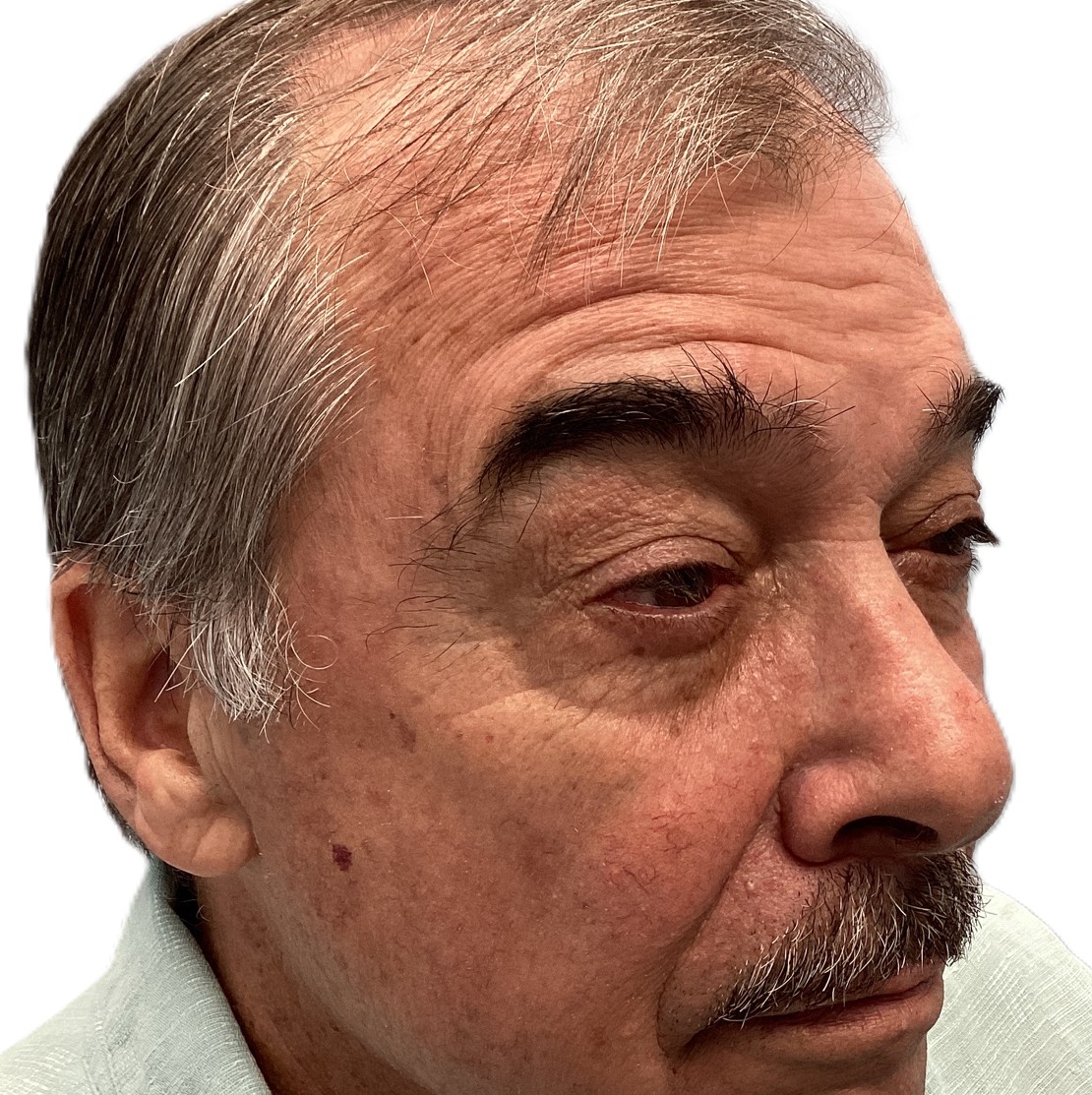
Reconstructive Care
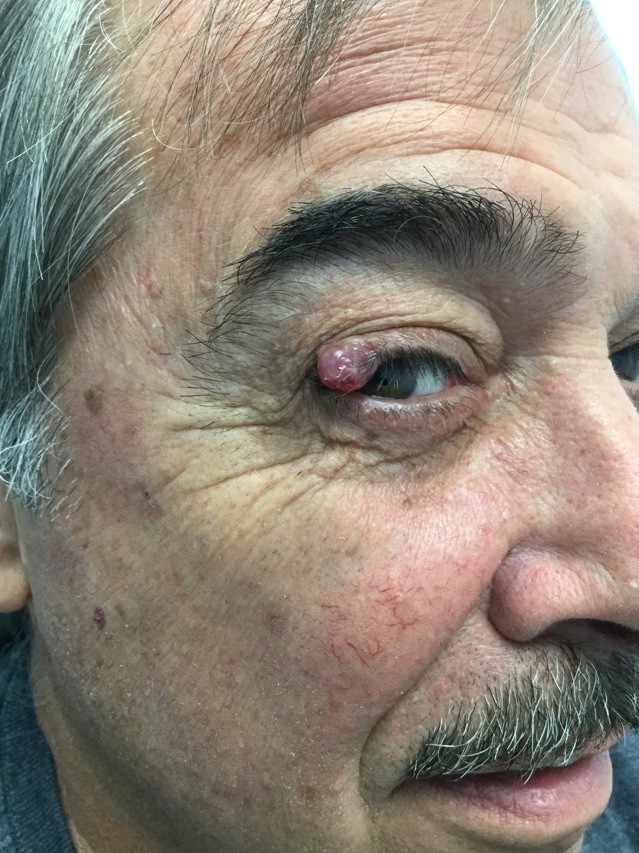
Skin cancer removal can leave a defect that is larger or more complex than the lesion initially visible on the skin. The size, depth, location, and surrounding anatomy all influence how the area should be repaired.
Dr. Brannan performs reconstruction after Mohs surgery and also treats selected skin cancers with non-Mohs excision when appropriate. The reconstructive plan is individualized after the final defect is evaluated.
The objective is to restore normal function and contour while placing incisions and moving tissue as thoughtfully as possible.
Two Pathways to Care
When a dermatologist or Mohs surgeon removes the skin cancer, reconstruction can be coordinated after the margins are clear. The repair is planned around the final surgical defect.
Learn About Mohs Reconstruction →For selected lesions, Dr. Brannan can perform non-Mohs excision and reconstruction. The appropriate approach depends on the diagnosis, location, clinical circumstances, and patient needs.
Learn About Skin Cancer Treatment →Skin Cancer Treatment
For selected lesions, Dr. Brannan can perform non-Mohs excision when appropriate. The recommended approach depends on the diagnosis, location, size, surrounding anatomy, and individual clinical circumstances.
When non-Mohs excision is selected, cancer removal and reconstruction can be coordinated as part of the same treatment plan. Reconstruction is designed after the true defect is known, with attention to function, contour, and scar placement.
Other cancers are better treated with Mohs surgery. In those cases, reconstruction is coordinated after the Mohs surgeon confirms that the cancer has been removed.
Eyelid Reconstruction
The eyelids protect the eye, distribute tears, blink, and maintain a precise position against the ocular surface. Reconstruction therefore involves more than simply closing a skin defect.
Planning may need to account for the eyelid margin, tear drainage system, inner and outer corners of the eye, eyelid support, and adjacent facial structures.
Explore Eyelid Reconstruction →Understanding Reconstruction
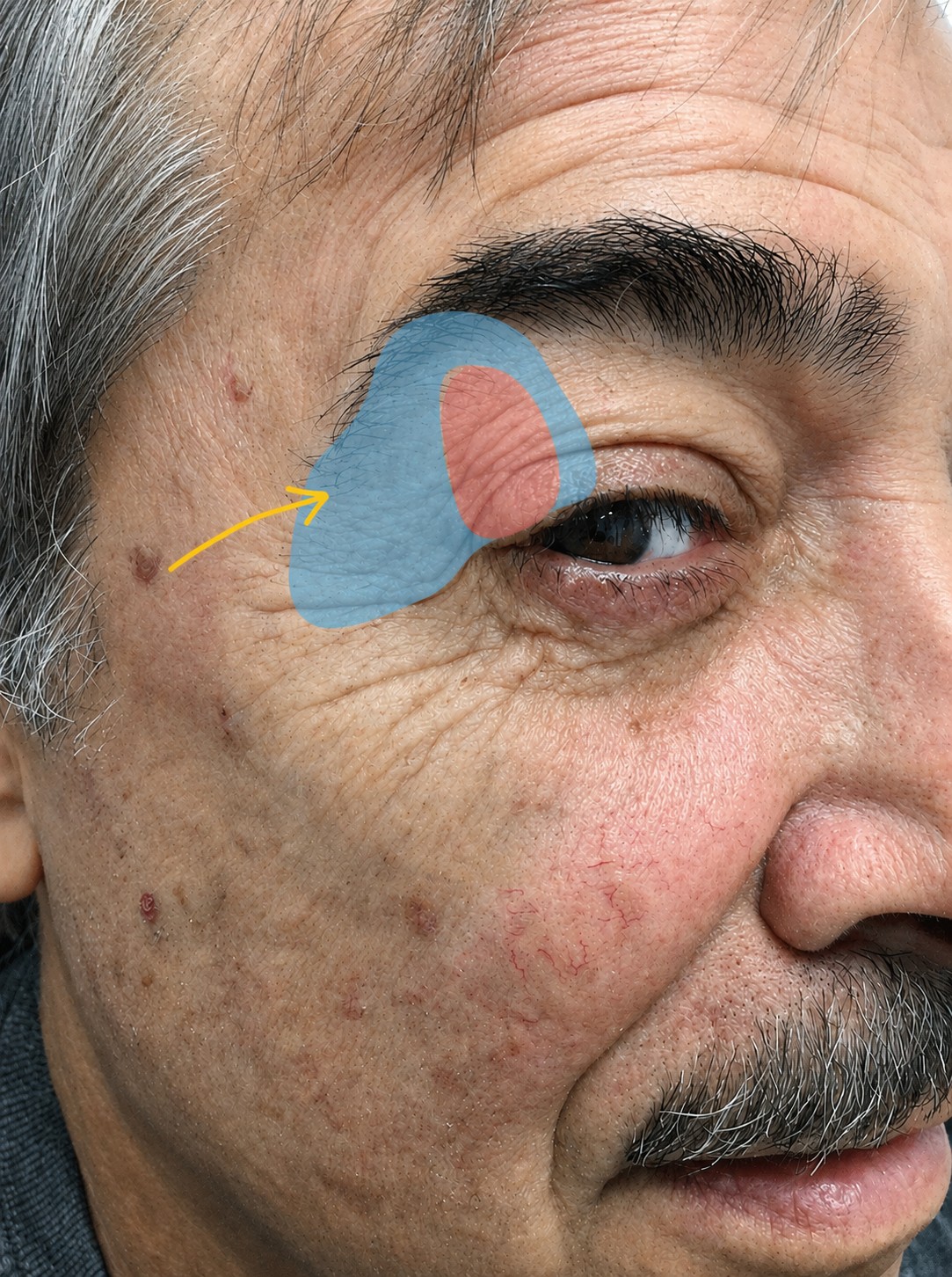
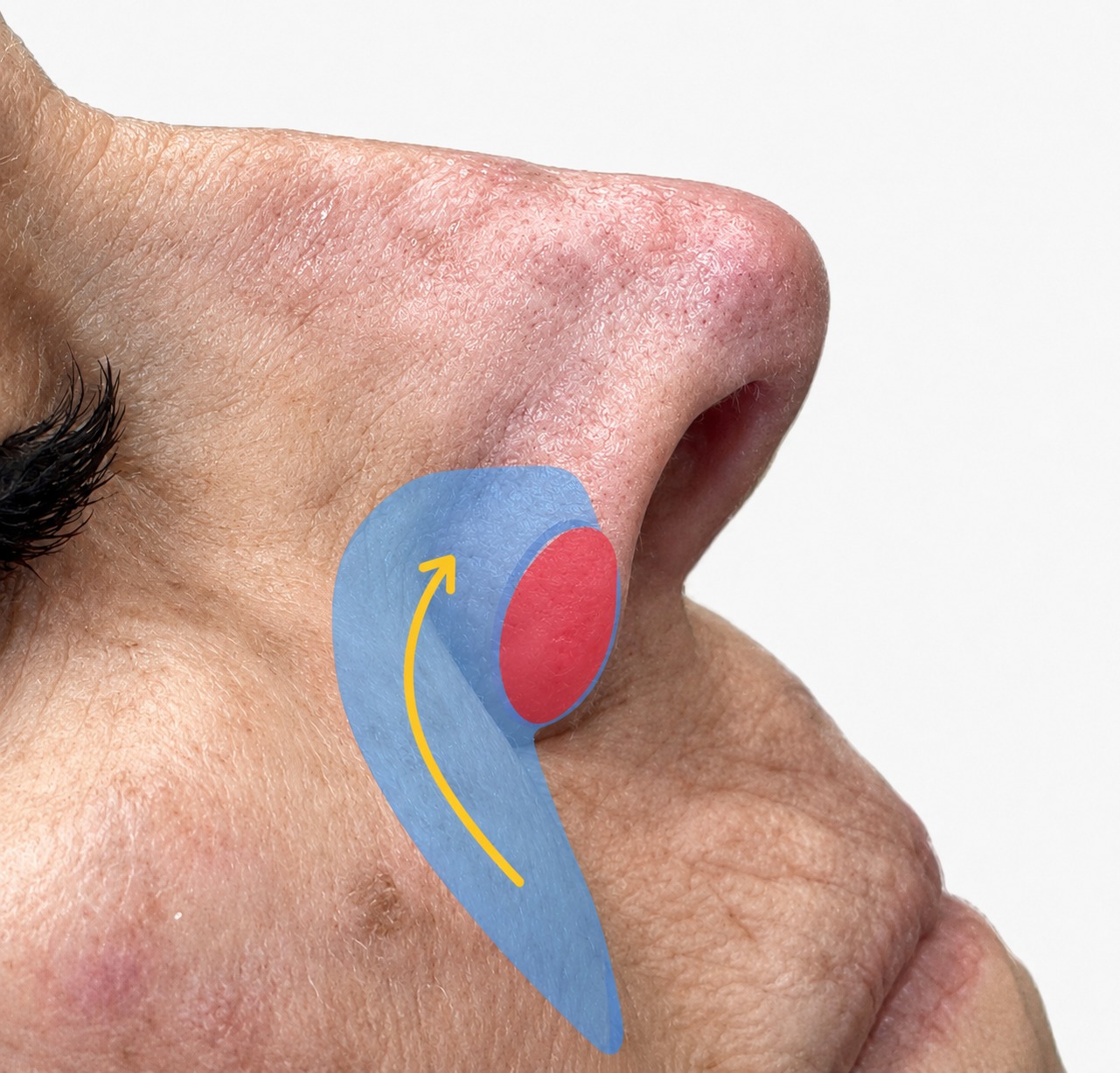
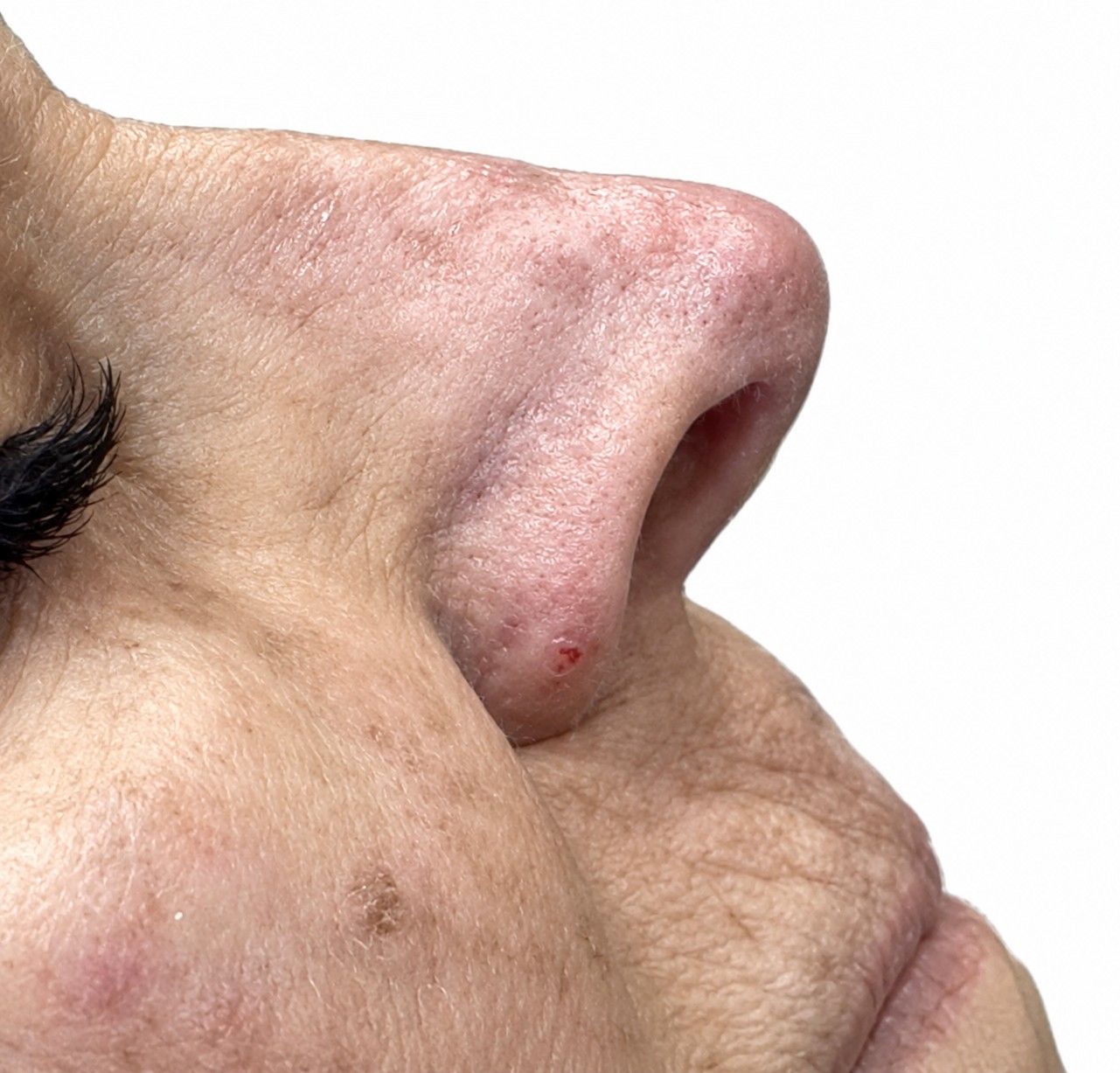
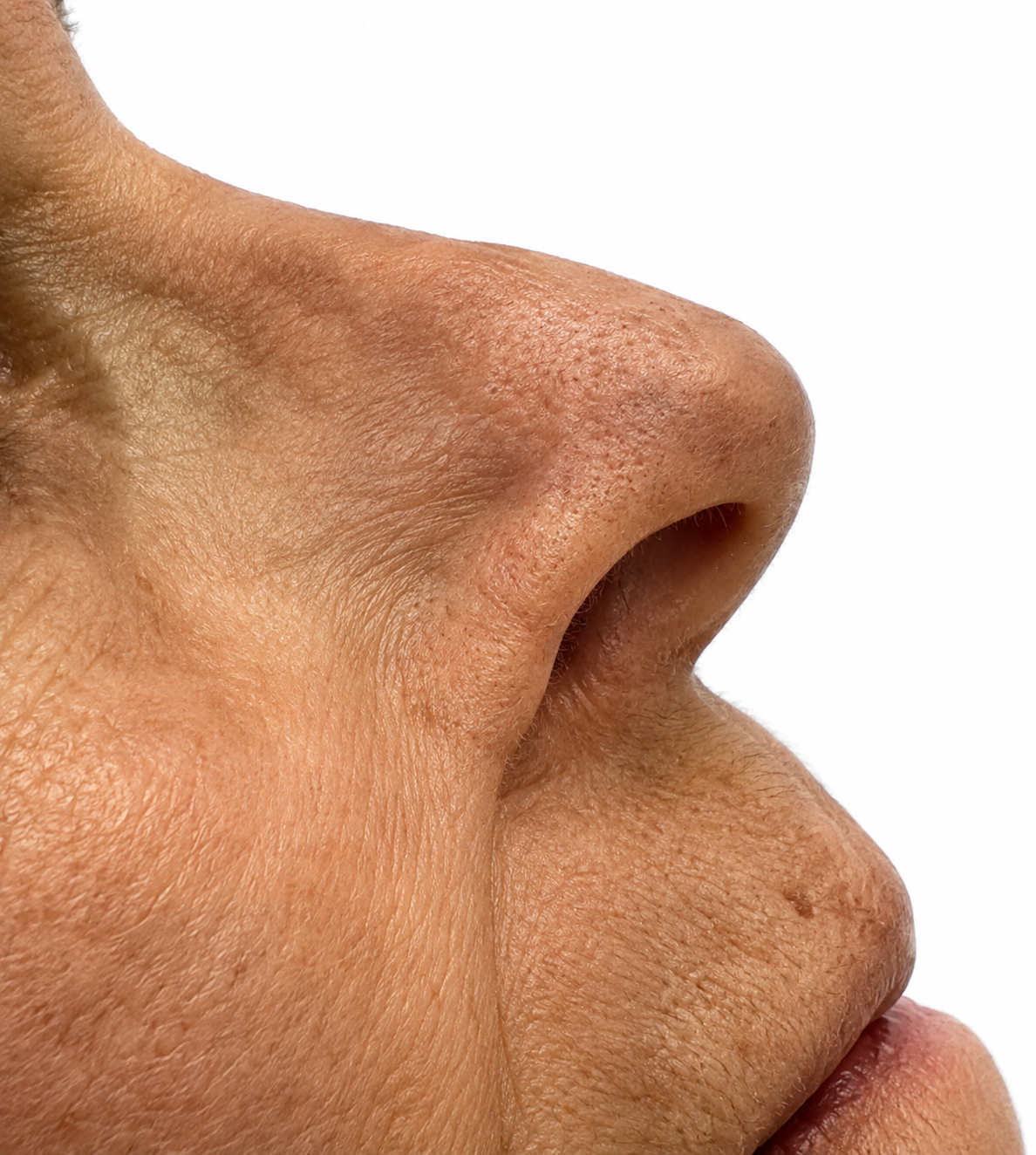
Nearby skin is often moved into the defect to recreate normal contours and distribute tension. As a result, the area involved in reconstruction may be larger than the original defect.
These educational overlays help explain the relationship between the cancer defect and the tissue used for reconstruction.
Patient Results
Selected examples of eyelid and facial reconstruction. Individual results vary.
Our Approach
Frequently Asked Questions
Yes. Reconstruction can be coordinated after the Mohs surgeon has removed the cancer and confirmed clear margins.
Yes. Selected skin cancers may be treated with non-Mohs excision when appropriate. The recommended approach depends on the diagnosis, location, and individual clinical circumstances.
The visible lesion may be smaller than the final defect after complete removal. Reconstruction may also require movement of nearby tissue beyond the defect to restore contour and function.
The eyelids must protect the eye, blink, distribute tears, and maintain precise position. Reconstruction therefore needs to consider function as well as appearance.
Timing is coordinated according to the defect and clinical circumstances, typically after cancer removal is complete and the final defect is known.
Consultation
If you have been diagnosed with an eyelid or facial skin cancer, are planning Mohs surgery, or already have a defect requiring reconstruction, treatment begins with careful evaluation and an individualized plan.