
Excess Upper Eyelid Skin
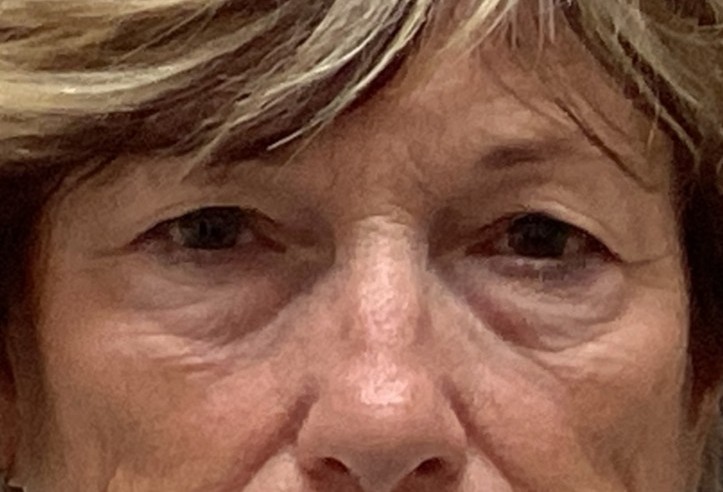
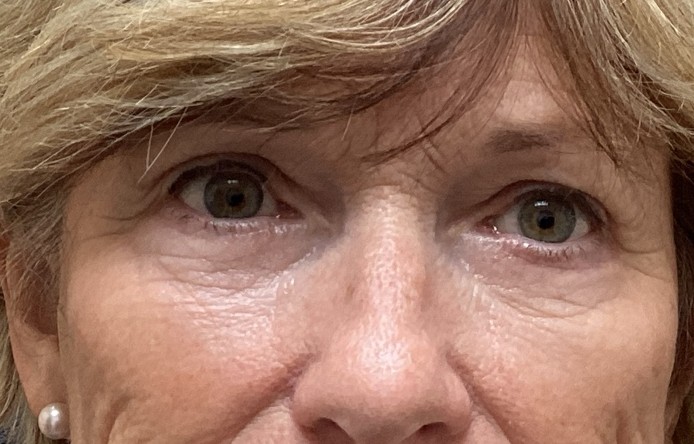
Redundant skin can create heaviness, change the appearance of the upper eyelids, and in some patients interfere with peripheral vision.
Eyelid Surgery
Eyelid surgery can improve appearance, restore function, or address both. The right procedure begins with understanding your concerns, examining the eyelids and surrounding structures, and determining the underlying cause.
Each treatment plan is tailored to your anatomy, goals, and individual needs, with an emphasis on natural-looking results and normal eyelid function.
What Eyelid Surgery Can Address
Changes around the eyes may result from excess skin, eyelid position, brow position, changes in the tissues surrounding the eyes, or a combination of factors. A careful evaluation helps determine which treatment is appropriate.
Redundant skin can create heaviness, change the appearance of the upper eyelids, and in some patients interfere with peripheral vision.
Prominent fat, skin changes, and changes in the supporting tissues can contribute to a tired or aged appearance.
Ptosis occurs when the upper eyelid itself sits too low. It is different from excess eyelid skin and requires a different surgical approach.
Differences in eyelid height, contour, skin, or surrounding anatomy may become more noticeable over time.
Upper eyelid skin or an abnormally low eyelid position can sometimes interfere with the superior visual field.
For appropriate patients, treating the upper and lower eyelids together can provide balanced rejuvenation while preserving a natural appearance.
Cosmetic Eyelid Surgery
Cosmetic eyelid surgery is not simply about removing skin or fat. The goal is to identify the changes responsible for your concerns and create a treatment plan that refreshes the appearance without making the eyes look unnatural or over-operated.
Removes or reshapes excess upper eyelid tissue to create a cleaner, more rested upper eyelid contour while preserving the natural character of the eyes.
Learn About Upper Blepharoplasty →Addresses lower eyelid bags, fullness, and selected skin changes. Treatment is individualized according to the patient's anatomy and the support of the lower eyelid.
Learn About Lower Blepharoplasty →For patients with concerns involving both areas, upper and lower eyelid surgery can be performed together to create balanced rejuvenation.
Learn About Upper & Lower Blepharoplasty →The brow can influence the appearance of the upper eyelids. In selected patients, brow position should be considered when developing an eyelid treatment plan.
Learn About Brow Position →Functional Eyelid Surgery
Some eyelid conditions can interfere with vision, comfort, eye protection, or normal eyelid function. Although several conditions may appear similar, their causes and treatments can be quite different.
Excess upper eyelid skin may become severe enough to obstruct the superior visual field. When excess skin significantly interferes with the superior visual field and appropriate medical criteria are met, upper blepharoplasty may be considered medically necessary. Coverage requirements vary by insurance plan.
Learn About Functional Upper Blepharoplasty →Ptosis is a true lowering of the upper eyelid margin. Treatment is tailored to the degree of ptosis, levator function, eyelid symmetry, eye health, and individual anatomy.
Learn About Ptosis Repair →An inward-turning eyelid can cause the eyelashes to rub against the eye, resulting in irritation and potential damage to the ocular surface.
Learn About Entropion Repair →An outward-turning lower eyelid can interfere with normal eye protection and tear drainage and may cause irritation, tearing, or exposure.
Learn About Ectropion Repair →Cosmetic or Functional?
A heavy or drooping upper eyelid does not always have the same cause.
Excess upper eyelid skin, true eyelid ptosis, and brow descent can occur independently or together. Determining which structures are responsible is important because each problem is treated differently.
Cosmetic eyelid surgery is performed to improve appearance. Functional eyelid surgery addresses a medically significant problem such as visual obstruction or abnormal eyelid position.
Insurance coverage varies by plan and generally requires documentation demonstrating medical necessity. When cosmetic and functional concerns coexist, the available treatment options can be discussed during your consultation.
Patient Results
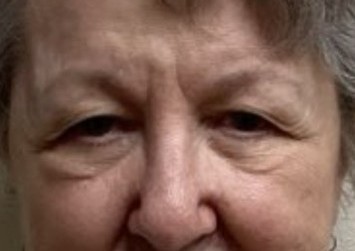
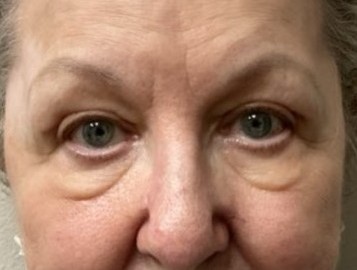
Selected examples of cosmetic and functional eyelid surgery. Individual results vary.
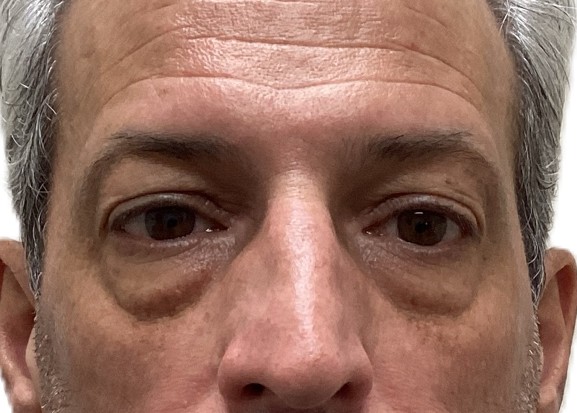
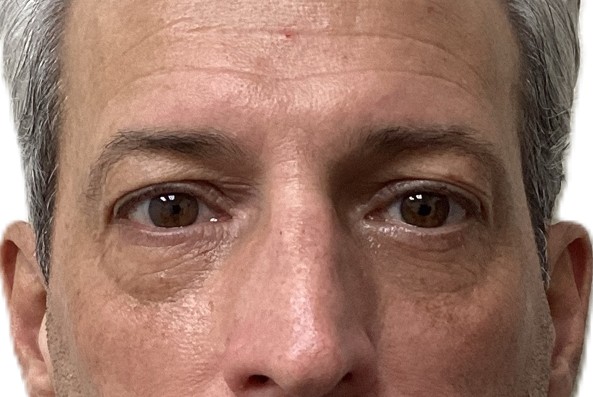
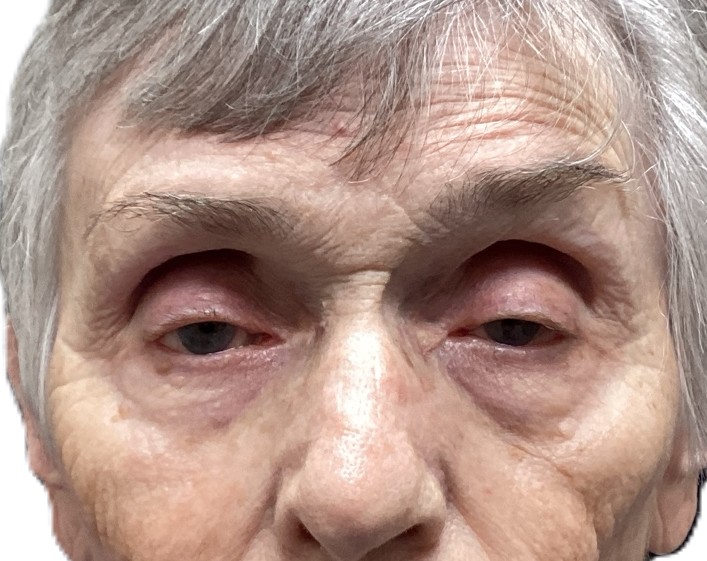
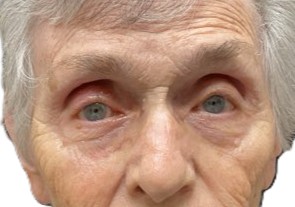
Specialized Training
Oculofacial plastic surgery begins with ophthalmology training and adds specialized fellowship training focused on the eyelids, orbit, tear system, and surrounding facial structures.
This combination is particularly relevant to eyelid surgery because treatment must consider both appearance and the important role the eyelids play in protecting the eyes.
Why Specialized Training Matters →What to Expect
We begin by discussing what concerns you and carefully evaluating the eyelids, brow position, facial anatomy, eye health, and eyelid function.
Recommendations are based on the diagnosis, your anatomy, and what you hope to accomplish—not simply on a standard procedure.
The procedure is performed using techniques selected for your particular anatomy and treatment goals.
Swelling and bruising are expected after eyelid surgery and gradually improve. Detailed postoperative instructions are provided to help guide your recovery.
Postoperative visits allow us to monitor healing and the evolution of your surgical result.
Our Approach to Eyelid Surgery
Frequently Asked Questions
Candidacy depends on your concerns, eyelid anatomy, eye health, medical history, and treatment goals. A consultation helps determine whether eyelid surgery or another treatment is appropriate.
Cosmetic surgery is performed to improve appearance. Functional eyelid surgery treats a medically significant problem such as visual obstruction or abnormal eyelid position. Similar-looking concerns can have different causes, so the diagnosis comes first.
The goal is improvement that remains natural to your face. Surgical planning is individualized to your anatomy rather than based on a one-size-fits-all appearance.
Swelling and bruising are expected and improve gradually. Recovery varies by procedure and by patient, and detailed postoperative instructions are provided for your specific surgery.
Insurance coverage varies by plan and generally requires documentation of medical necessity. Cosmetic procedures are not covered. Coverage requirements and treatment options can be reviewed during your evaluation.
When both excess eyelid skin and true ptosis are present, treatment options can be discussed after examination. The procedures address different anatomical problems and may have different insurance requirements.
Aesthetic Eye & Surgical Arts
Whether your concern is cosmetic, functional, or a combination of both, the first step is determining the correct diagnosis and discussing the treatment options appropriate for you.